 616.888.3101
 Grand Rapids, MI



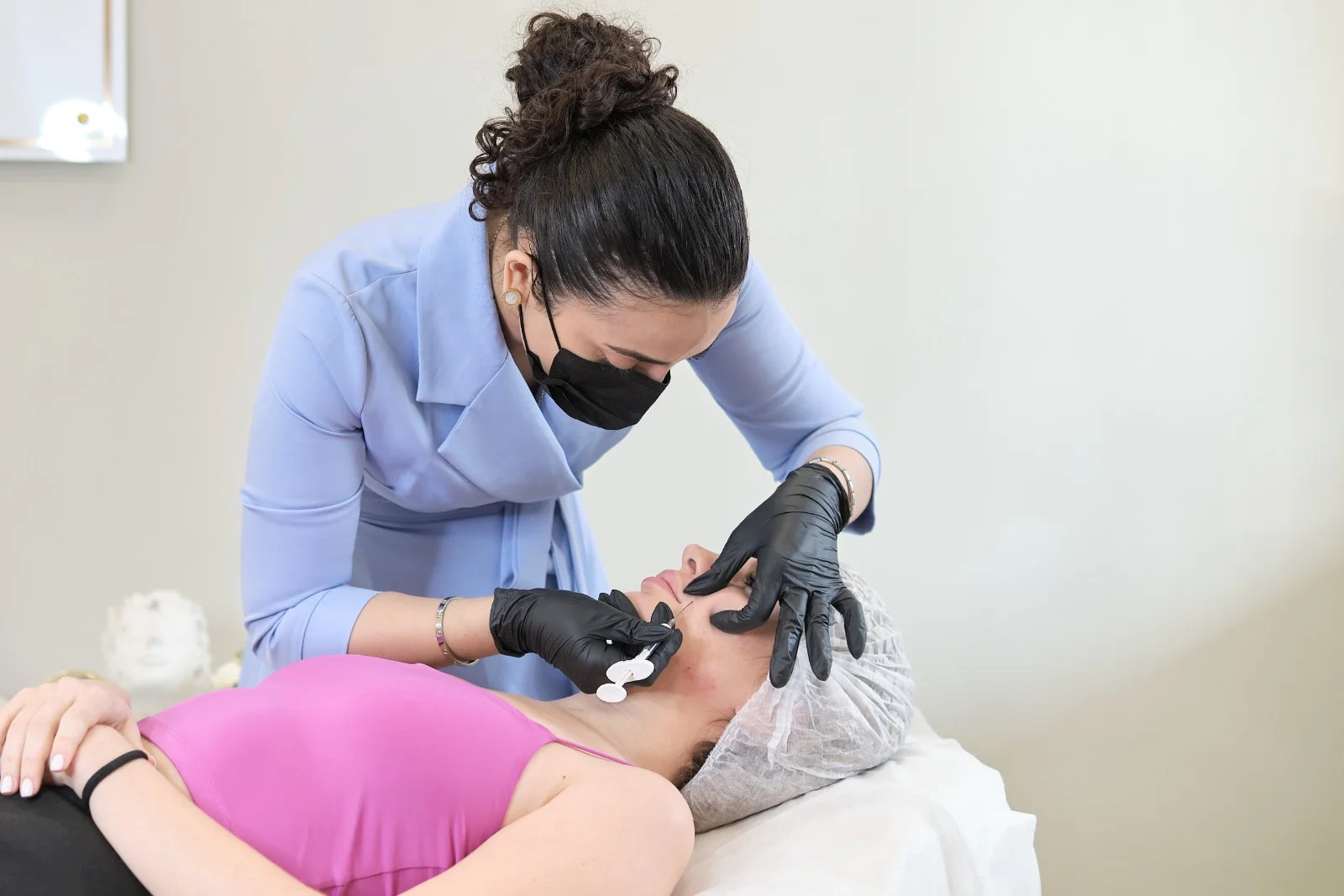
If the lines framing your mouth have become more prominent over time, dermal fillers can offer a non-surgical way to soften their appearance and restore a smoother, more refreshed look. Smile lines, also called nasolabial folds, are commonly caused by volume loss, skin laxity, and natural facial movement over the years, making them one of the most frequently treated concerns with dermal fillers.
Why Smile Lines Form With Age
Smile lines are the creases that run from the sides of your nose down to the corners of your mouth. While they are a natural part of facial expression, they tend to deepen and become more permanent over time for a few key reasons.
-
The most significant factor is the gradual loss of collagen and elastin, the structural proteins that keep skin firm and resilient. Starting in your mid-twenties, the body produces less collagen each year. As collagen levels decline, skin loses its ability to spring back after repeated movement, and creases begin to set in.
-
Volume loss in the mid-face also plays a major role. As fat pads in the cheeks diminish and shift downward, the skin above the smile line loses its support structure. This causes the fold to deepen even when your face is at rest. Sun exposure, smoking, and repetitive facial movements can accelerate the process, making lines appear earlier and more pronounced than they otherwise would.
Understanding the underlying cause of your smile lines is the first step in choosing the right treatment. A skin consultation can help identify whether volume loss, collagen depletion, or a combination of both is contributing to your concern.
The Role of Collagen Stimulators in Softening Smile Lines
Not all dermal fillers for smile lines work the same way. While hyaluronic acid fillers like Juvederm and Restylane deliver immediate volume by attracting and retaining water in the tissue, other collagen-stimulating fillers such as Sculptra (poly-L-lactic acid) and Radiesse (calcium hydroxylapatite), work by stimulating your skin’s own collagen production over time.
Sculptra and Radiesse are injected into the deeper layers of the skin where they trigger a biological response, encouraging fibroblasts to produce new collagen around the treatment area.
The result is a progressive softening of smile lines as your skin rebuilds its structural support from within. Because the improvement is driven by your own collagen, the outcome tends to look exceptionally natural and blends seamlessly with surrounding tissue.
Collagen stimulators are an excellent complement to skin rejuvenation treatments that also target texture and tone. Your provider can help you determine whether a collagen stimulator, a hyaluronic acid filler, or a combination approach is best suited to your anatomy and goals.
Gradual vs Immediate Results: What To Expect
Immediate-result fillers such as Juvederm Vollure or Restylane Lift add volume to the nasolabial fold right away. You will notice a visible reduction in the depth of your smile lines on the same day as your appointment. There may be some mild swelling or bruising in the first few days, but the majority of patients return to normal activities immediately after treatment.
Gradual-result fillers like Sculptra require a series of sessions spaced several weeks apart. You will not see a dramatic change after the first appointment. Instead, results build incrementally over three to six months as collagen production increases. Many patients prefer this approach because the change is subtle enough that others notice they look refreshed rather than treated.
Both approaches are effective. The right choice depends on your timeline, your budget, and how significant your smile lines are. If you have an upcoming event and want results quickly, an immediate-acting filler may be the better fit. If you are focused on long-term skin health and natural progression, a collagen stimulator is worth considering alongside treatments like neuromodulators.
How Long Smile Line Fillers Last
Longevity varies depending on the type of filler used, the depth of the treatment area, your metabolism, and your lifestyle habits. Here is a general guide to what you can expect.
-
Hyaluronic acid fillers (Juvederm, Restylane): Typically last 9 to 18 months in the smile line area. Thicker formulations designed for deeper folds tend to last longer than lighter ones.
-
Radiesse (calcium hydroxylapatite): Results generally last 12 to 18 months, with the added benefit of ongoing collagen stimulation extending some improvement beyond the filler’s lifespan.
-
Sculptra (poly-L-lactic acid): Results can last up to two years or longer after a full treatment series, making it one of the longest-lasting options available.
Factors that may shorten the lifespan of your filler include a faster metabolic rate, high levels of physical activity, sun exposure, and smoking. Maintaining a consistent skincare routine and scheduling touch-up appointments before the filler fully dissolves can help you preserve your results over time.
At Skin Lab, your provider will give you a personalized timeline based on the specific product used and your individual response to treatment. Explore how injectable treatments fit into a long-term aesthetic plan during your consultation.
Ideal Candidates for Smile Line Fillers
Dermal fillers for smile lines are suitable for a wide range of patients, but the best candidates share a few common characteristics. You may be an excellent candidate if you meet the following criteria.
-
You have mild to severe nasolabial folds that are visible at rest, not just during facial expressions.
-
You are in good overall health and do not have active skin infections or inflammation near the treatment area.
-
You have realistic expectations about results and understand that fillers improve the appearance of smile lines rather than eliminating them entirely.
-
You are not pregnant or breastfeeding.
-
You are not currently taking blood-thinning medications that significantly increase bruising risk, or you are able to pause them with your physician’s guidance prior to treatment.
Patients with very deep smile lines caused primarily by significant mid-face volume loss may benefit most from pairing filler in the fold itself with cheek augmentation to restore the underlying support structure. Your provider can assess your facial anatomy and recommend a treatment plan tailored specifically to you.
If you are unsure whether fillers are the right option, a consultation is the best starting point. Your provider can also discuss complementary options such as skin tightening treatments that address laxity alongside volume loss.
Frequently Asked Questions About Dermal Fillers for Smile Lines
What are the best dermal fillers for smile lines?
The most commonly used fillers for smile lines include Juvederm Vollure, Restylane Lift, Radiesse, and Sculptra. Hyaluronic acid fillers like Juvederm and Restylane provide immediate results, while Radiesse and Sculptra stimulate collagen over time. The best option depends on your anatomy, the severity of your lines, and your desired timeline for results.
Is treatment with dermal fillers for smile lines painful?
Most patients find the treatment very manageable. A topical numbing cream is typically applied before injections, and many filler formulations contain lidocaine to further minimize discomfort. You may feel mild pressure or a slight stinging sensation, but significant pain is uncommon.
How many filler sessions do I need for smile lines?
For immediate-acting hyaluronic acid and Radiesse fillers, one session is usually sufficient to achieve your desired result, with touch-ups every 12 to 18 months. Sculptra requires a series of two to three sessions spaced four to six weeks apart to build optimal collagen stimulation.
Are there side effects from smile line fillers?
The most common side effects are mild swelling, redness, and bruising at the injection site. These typically resolve within a few days. Rare but serious complications, such as vascular occlusion, are why choosing an experienced, licensed injector is critical for your safety.
How much do dermal fillers for smile lines cost?
Costs vary depending on the type of filler used, the amount needed, and your provider’s expertise. Hyaluronic acid fillers are generally priced per syringe, while Sculptra is priced per vial. Contact Skin Lab for a personalized quote based on your specific treatment plan.
Can smile line fillers look natural?
Yes. When placed correctly by a skilled injector, filler in the nasolabial fold blends seamlessly with surrounding tissue and produces a softened, refreshed appearance rather than an overfilled look. The goal is always to restore balance to the face, not to alter its fundamental character.
Why Choose Skin Lab for Dermal Fillers for Smile Lines
At Skin Lab our team combines advanced training with a precise, patient-centered approach to injectable treatments. We take the time to understand your unique facial structure and aesthetic goals before recommending any treatment, because the best results come from a plan that is built specifically for you.
Whether you are exploring smile line fillers for the first time or looking to refine results from a previous treatment, we are here to guide you through every step. We proudly serve patients throughout Grand Rapids, Michigan, and the surrounding communities.
Ready to take the first step? Contact Skin Lab today to schedule your personalized filler consultation and discover which option is right for your smile lines.
Back to Blogs Locate
 Call
Call